Camel Shrimp

Description

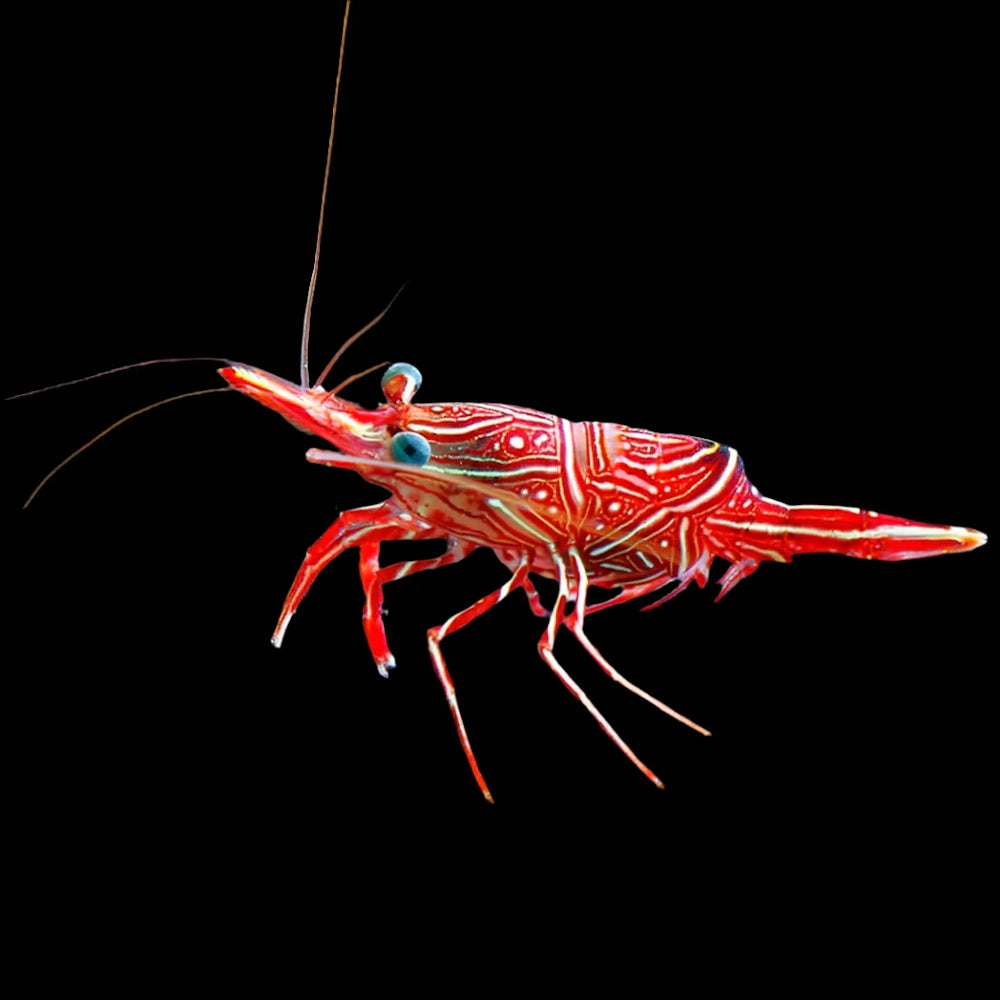
The Camel Shrimp is also known as the Hinge-beak Shrimp, Dancing Shrimp, or Candy Shrimp. It is distinguished by a moveable rostrum (beak) that is usually angled upwards. The Camel Shrimp has a variable pattern of red and white stripes on its body. The males of its species tend to have larger chelipeds (claws) than the females.

It prefers to congregate with other shrimp of its kind in rock crevasses, under overhangs, or in the coral rubble. It especially needs hiding places when it is molting. It usually tolerates other shrimp, but may nip at colonial anemones, disc anemones, and soft leather corals. It generally leaves bubble coral and stinging anemones alone.

The Camel Shrimp will accept brine shrimp, frozen or freeze-dried plankton, and flaked food.
Product form

SKU: I-SHR-005

Rhynchocinetes durbanensis

The Camel Shrimp is also known as the Hinge-beak Shrimp, Dancing Shrimp, or Candy Shrimp. It is distinguished by a... Read more

Sold Out

20.000 JD

    • Care Level: Easy
    • Reef Compatible: With Caution
    • Temper: Peaceful
    • Minimum Tank Size:

      This item cant be shipped internationally

    Livestock, including fish, corals, and other aquatic species, cannot be shipped internationally due to shipping and regulatory restrictions.
    Read more

    Description

    The Camel Shrimp is also known as the Hinge-beak Shrimp, Dancing Shrimp, or Candy Shrimp. It is distinguished by a moveable rostrum (beak) that is usually angled upwards. The Camel Shrimp has a variable pattern of red and white stripes on its body. The males of its species tend to have larger chelipeds (claws) than the females.

    It prefers to congregate with other shrimp of its kind in rock crevasses, under overhangs, or in the coral rubble. It especially needs hiding places when it is molting. It usually tolerates other shrimp, but may nip at colonial anemones, disc anemones, and soft leather corals. It generally leaves bubble coral and stinging anemones alone.

    The Camel Shrimp will accept brine shrimp, frozen or freeze-dried plankton, and flaked food.

    Important Note
    Proper acclimation is extremely important considering the stress imposed on the animals by the shipping process. Please take a moment to review our Acclimation Guide.


    Recently viewed products

      Login

      Forgot your password?

      Don't have an account yet?
      Create account