Marine Fish for Beginners

48 products

  • New Zebra Barred Dartfish

    - Zebra Barred Dartfish

    Sold Out

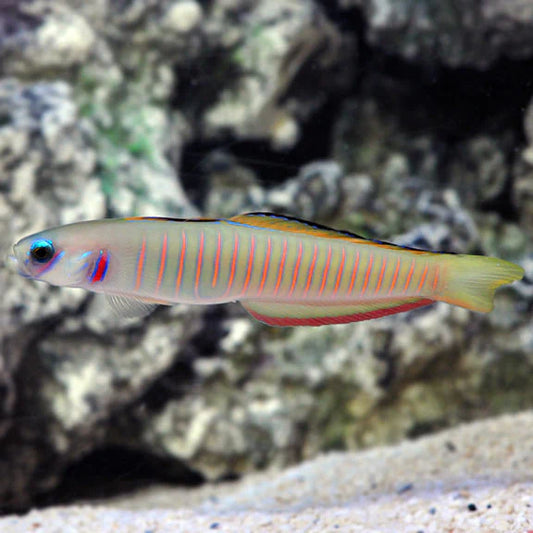
    The Zebra Barred Dartfish (Ptereleotris zebra) is a sleek and elegant marine fish known for its slender body and distinctive horizontal striping. Its calm nature and graceful swimming make it a beautiful addition to peaceful reef aquariums. Native to the Indo-Pacific region, this species is typically found hovering above sandy areas near reef structures, often in small groups. Behavior & Diet: Peaceful and shy temperament Often seen hovering in the water column Carnivorous diet: feeds on zooplankton and small meaty foods Accepts frozen foods, brine shrimp, and finely chopped seafood Care Requirements: Minimum tank size: 100 liters Provide sand substrate and hiding spots Tight-fitting lid (can jump when startled) Best kept in small groups or pairs in larger tanks Reef Compatibility: Fully reef safe Safe with corals and invertebrates Ideal for peaceful community tanks Tips: Introduce into calm environments with non-aggressive tank mates Feed small portions multiple times daily Provide shaded areas and caves to reduce stress

    Sold Out

    8.000 JD

  • New Yellowstriped Cardinalfish

    - Yellowstriped Cardinalfish

    Sold Out

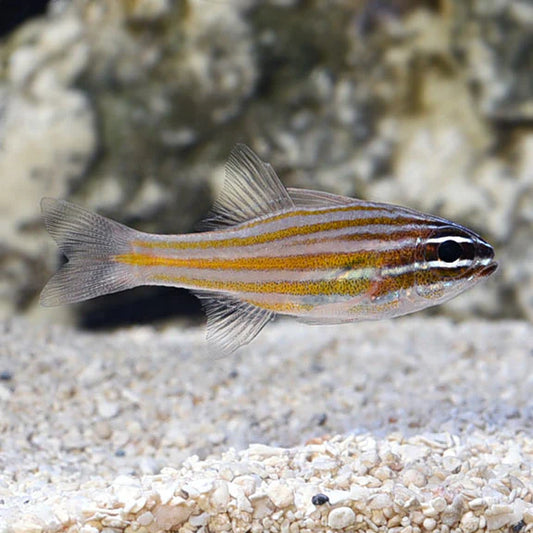
    The Yellowstriped Cardinalfish (Apogon cyanosoma) is a peaceful and attractive marine fish known for its subtle yellow stripes and calm nature. Its small size and gentle behavior make it an excellent choice for reef aquariums and community saltwater tanks. Native to the Indo-Pacific region, this nocturnal species is often found sheltering among coral branches and rocky structures during the day, becoming more active at night. Behavior & Diet: Peaceful and shy species Nocturnal (more active at night) Carnivorous diet Feeds on small meaty foods such as brine shrimp, mysis shrimp, and zooplankton Care Requirements: Minimum tank size: 80–100 liters Provide caves, coral branches, or rockwork for shelter Prefer dim lighting or shaded areas Best kept in small groups or pairs Reef Compatibility: Fully reef safe Safe with corals and invertebrates Excellent for peaceful community reef tanks Tips: Feed in the evening or after lights dim Keep in calm tanks with non-aggressive fish Provide stable water parameters for long-term health

    Sold Out

    8.000 JD

  • New Yellow Banded Possum Wrasse

    - Yellow Banded Possum Wrasse

    Sold Out

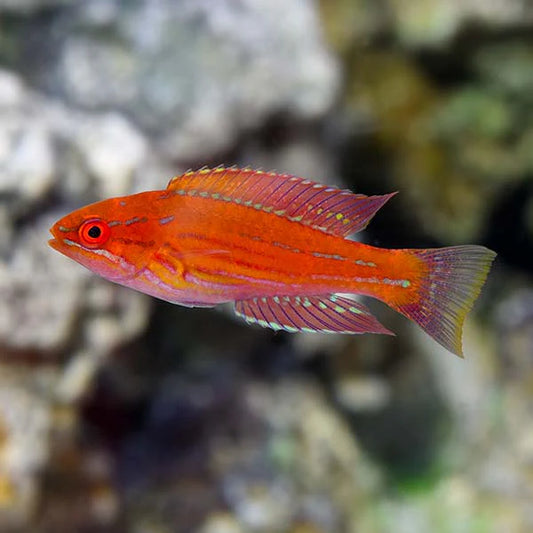
    The Banded Possum Wrasse is also known as the Pygmy Possum Wrasse or Arrowhead Wrasse, and it originates from the waters of Indonesia. The Banded Possum Wrasse has an arrowhead like shape and is mostly red/orange in color with yellow vertical stripes when in its juvenile coloration. As the fish matures the fish will darken to a deep rustish coloration. The male and female of this species are very similarly colored, but when courting, the male will display increased color intensity. Colors may vary depending on the fish's mood. The Banded Possum Wrasse is a very peaceful, active fish that will bring both color and activity to a fish-only or reef aquarium of 10 gallons or larger. They will not bother any corals or invertebrates making them a perfect fish for the reef aquarium. A single male can be kept with a group of females that is introduced prior to or at the same time as the male. These wrasses like to jump, so a tight fitting canopy is recommended. The Banded Possum Wrasse diet should include vitamin enriched frozen mysis shrimp, vitamin enriched frozen brine shrimp, and other meaty foods along with a high quality marine flake and marine pellet food.

    Sold Out

    60.000 JD

  • New Wheeler's Shrimp Goby

    - Wheeler's Shrimp Goby

    Sold Out

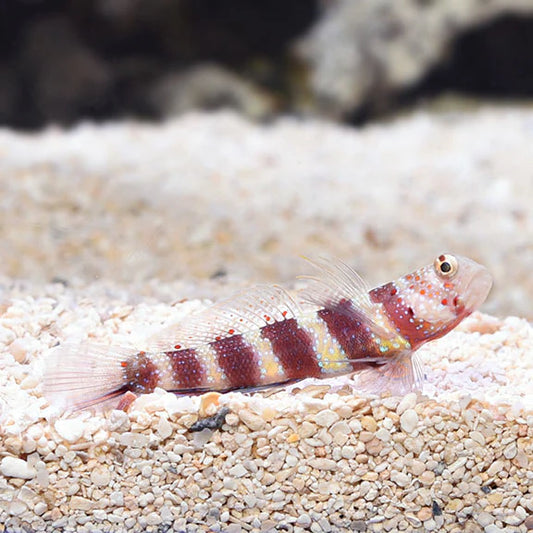
    The Wheeler's Shrimp Goby, also known as Wheeler's Prawn, Gorgeous, or Wheeler's Goby, was first discovered in Indonesia in 1982 by Hoese and Randall. It has a white body with broad orange-red bands and tiny blue spots. The dorsal fin has red and blue dots. It should be kept in a 10 gallon or larger aquarium with a sand covered bottom to make burrows in. It prefers to have peaceful tank mates and plenty of hiding places. Small groups or pairs tend to do better in an aquarium, but need to be introduced to the tank simultaneously. Fairly hardy, and highly disease resistant, the Wheeler's Watchman Goby has been known to spawn successfully in an aquarium. The diet should consist of a variety of fresh or frozen seafood, brine shrimp, and mysis shrimp. It needs to be fed twice per day.

    Sold Out

    30.000 JD

  • New Two Banded Clownfish

    - Two Banded Clownfish

    Sold Out

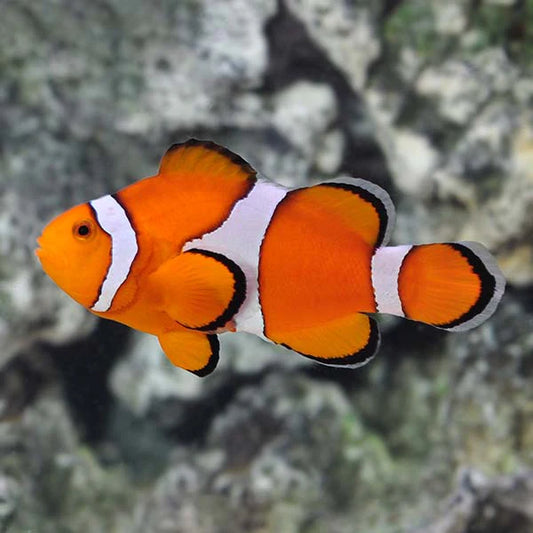
    The Two-Banded Clownfish (Amphiprion bicinctus) is a hardy and iconic marine fish native to the Red Sea. It is easily recognized by its bright orange body and two bold white vertical bands. This species is one of the most popular choices for reef aquariums due to its resilience, active personality, and symbiotic relationship with sea anemones. Behavior & Diet: Omnivorous species Feeds on flakes, pellets, frozen foods, and small meaty foods Can form a symbiotic relationship with sea anemones Territorial, especially when hosting an anemone Care Requirements: Minimum tank size: 80 liters Stable marine environment with rock structures Can be kept with or without anemones Best kept as a pair (bonded male and female) Reef Compatibility: Fully reef safe Safe with corals and invertebrates May defend territory aggressively when mature Tips: Introduce as a bonded pair for best behavior Provide hiding spaces and live rock Feed a varied diet to maintain health and coloration

    Sold Out

    8.000 JD

  • New Ternate Damselfish

    - Ternate Damselfish

    Sold Out

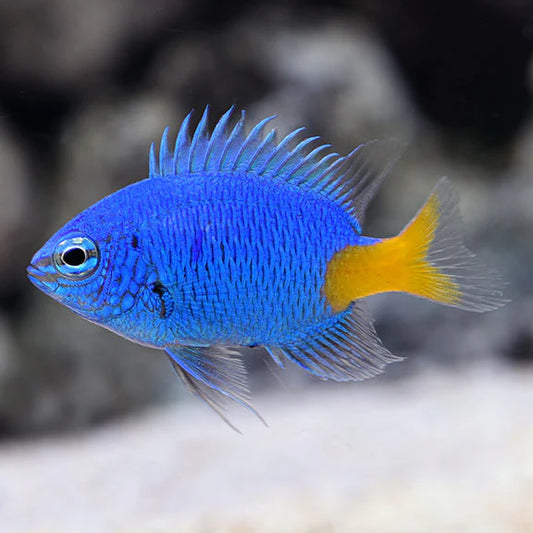
    The Ternate Damselfish (Chrysiptera ternatensis) is a hardy and vibrant marine fish known for its striking blue coloration and energetic behavior. It is a popular choice for beginner reef aquariums due to its resilience and adaptability to different water conditions. Native to the Indo-Pacific region, this damselfish is often found among coral reefs and rocky areas, where it actively patrols its territory. Behavior & Diet: Omnivorous species Feeds on flakes, pellets, and frozen foods May graze on algae and small invertebrates Highly active and territorial, especially in smaller tanks Care Requirements: Minimum tank size: 100 liters (larger recommended) Provide live rock for hiding and territory establishment Stable marine water conditions Best kept singly or in carefully planned groups in large systems Reef Compatibility: Reef safe with caution Generally safe with corals May be aggressive toward smaller or passive tank mates Tips: Introduce last into community tanks to reduce aggression Provide plenty of rockwork to break lines of sight Avoid overcrowding to minimize territorial behavior

    Sold Out

    6.000 JD

  • New Spotband Butterflyfish

    - Spotband Butterflyfish

    Sold Out

    The Spotband Butterflyfish (Chaetodon punctatofasciatus) is a striking marine fish known for its elegant body pattern of fine spots and vertical bands. Its calm swimming style and attractive coloration make it a favorite among marine aquarium enthusiasts. Native to the Indo-Pacific region, this butterflyfish is commonly found around coral-rich reef environments where it feeds and shelters among branching corals and rocky structures. Behavior & Diet: Omnivorous species with a preference for small invertebrates Feeds on coral polyps, worms, and frozen meaty foods in captivity Can be shy but becomes active once acclimated Best kept in peaceful environments Care Requirements: Minimum tank size: 250–300 liters Requires stable, mature reef system Plenty of live rock for grazing and hiding Sensitive to water quality changes Reef Compatibility: Not Reef Safe May nip at SPS, LPS corals, and anemones Better suited for fish-only or carefully selected reef systems Tips: Only recommended for experienced aquarists Provide frequent small feedings of varied diet Avoid housing with aggressive tank mates Ensure long-established aquarium for stability

    Sold Out

    25.000 JD

  • New Snowflake Ocellaris Clownfish - Captive-Bred

    - Snowflake Ocellaris Clownfish - Captive-Bred

    Sold Out

    This unique color morph of the popular Amphiprion ocellaris clownfish stands out with unique "snowflake" markings on its side. The Captive-Bred Snowflake Ocellaris Clownfish, also known as the Snowflake Anemonefish, has an orange base, with 3 stripes of white edged in black. The white middle stripe is irregularly shaped, and covers the majority of the fishes body. Each middle stripe has a different pattern, which is why it is called the "Snowflake." This member of the Pomacentridae family is an excellent addition to almost any saltwater aquarium system. captive-bred-fish have a unique advantage over wild-harvested species, as they are generally very hardy and more accustomed to conditions found in the home aquarium. Therefore, captive-bred-fishes make a great choice for novices and seasoned aquarists alike. The Captive-Bred Snowflake Ocellaris Clownfish is easy to breed in the home aquarium. The females will be the largest of the pair and the two fish will usually stay close to each other in the aquarium. Clownfish are egg layers and will deposit the eggs on a flat surface and defend the eggs from other tank mates. The eggs will normally hatch in 8-11 days depending on the water temperature. The fry must be reared in a separate aquarium on a diet of rotifers followed by baby brine shrimp. This Clownfish is an aggressive eater. It will accept most meaty foods and frozen herbivore preparations.

    Sold Out

    45.000 JD

  • New Segmented Sailfin Blenny

    - Segmented Sailfin Blenny

    Sold Out

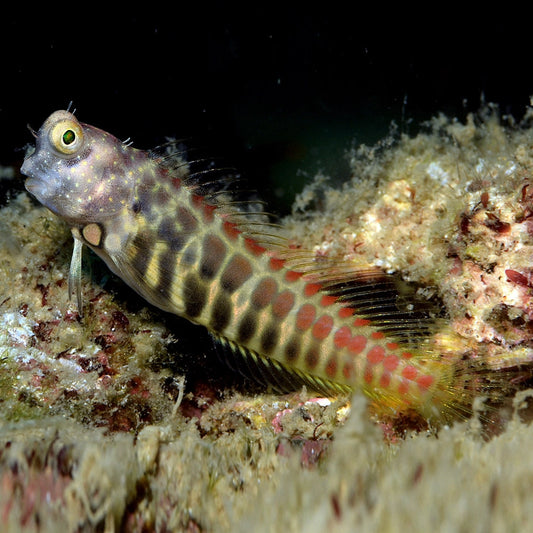
    The Segmented Sailfin Blenny (Emblemaria pandionis) is a small, peaceful marine fish known for its unique appearance and subtle, segmented fin pattern. Its calm nature and interesting behavior make it a great addition to nano and reef aquariums. Native to the Western Atlantic, this blenny is typically found in shallow reef areas, where it hides in rock crevices and only emerges to feed or observe its surroundings. Behavior & Diet: Peaceful and shy species Carnivorous micro-predator Feeds on zooplankton, small crustaceans, and frozen foods Often perches in caves or rock openings Care Requirements: Minimum tank size: 60–80 liters Requires plenty of live rock and hiding spaces Prefers stable, mature aquarium conditions Best kept in peaceful community or reef tanks Reef Compatibility: Fully reef safe Safe with corals and invertebrates Does not disturb reef structures Tips: Provide caves and small rock openings for shelter Feed small meaty foods like mysis and brine shrimp Keep with non-aggressive tank mates only Avoid strong competition for food

    Sold Out

    15.000 JD

  • New Sailfin/Algae Blenny

    - Sailfin/Algae Blenny

    Sold Out

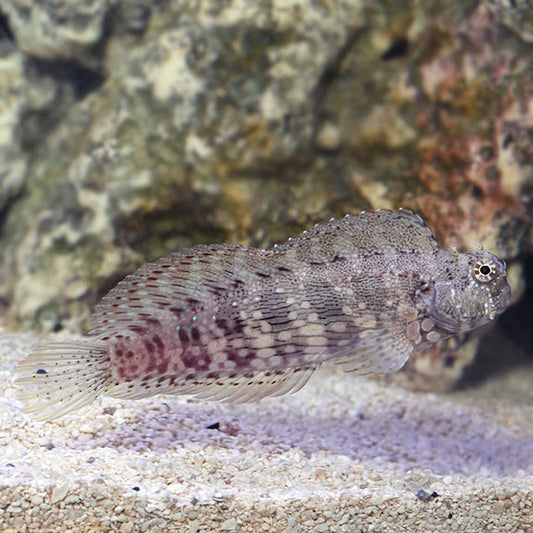
    The Sailfin / Algae Blenny (Salarias fasciatus) is one of the most effective natural algae eaters in the marine aquarium hobby. Known for its expressive face and comb-like teeth, this blenny spends most of its time grazing on rocks and glass surfaces. Native to Indo-Pacific reef environments, it plays an important role in controlling algae growth and maintaining a clean, balanced aquarium ecosystem. Behavior & Diet: Herbivorous species Feeds primarily on algae growing on rocks and glass Also accepts algae-based foods, wafers, and pellets Active grazer throughout the day Care Requirements: Minimum tank size: 100 liters Requires mature aquarium with natural algae growth Plenty of live rock for grazing and hiding Stable water conditions Reef Compatibility: Fully reef safe Safe with corals and invertebrates Excellent natural algae control fish Tips: Ensure consistent algae or supplement with algae wafers Provide rockwork with grazing surfaces Avoid aggressive tank mates that may outcompete it for food May perch on rocks or substrate when resting

    Sold Out

    9.000 JD

  • New Ruby Head Fairy Wrasse

    - Ruby Head Fairy Wrasse

    Sold Out

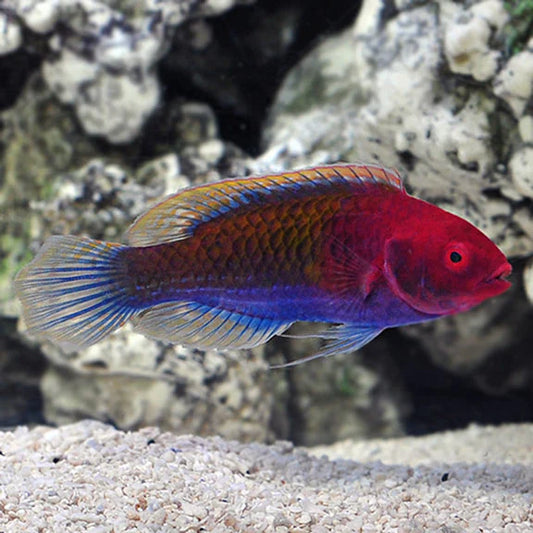
    The Ruby Head Fairy Wrasse (Cirrhilabrus cyanopleura) is a stunning marine fish known for its vibrant coloration and graceful swimming behavior. Males display a striking ruby-red head that transitions into shades of blue and purple along the body, especially during courtship or dominance displays. Native to the Indo-Pacific region, this wrasse is commonly found in reef slopes and lagoons where it actively swims in the water column. Behavior & Diet: Peaceful and active swimmer Carnivorous species Feeds on zooplankton, frozen foods, and small meaty diets Males may display vibrant coloration when mature or excited Care Requirements: Minimum tank size: 150 liters Requires a secure lid (prone to jumping) Plenty of swimming space and live rock for shelter Best kept in peaceful community reef tanks Reef Compatibility: Fully reef safe Safe with corals and invertebrates Does not disturb reef structures Tips: Keep with calm, non-aggressive tank mates Feed multiple small meals per day for best coloration Provide covered tank or tight lid to prevent jumping Can be kept in groups in larger systems

    Sold Out

    25.000 JD

  • New Royal Flasher Wrasse

    - Royal Flasher Wrasse

    Sold Out

    The Royal Flasher Wrasse (Paracheilinus angulatus) is a spectacular marine fish famous for its dazzling color “flashing” displays. Males develop intense shades of red, orange, blue, and yellow, which they rapidly showcase during courtship or when interacting with other fish. Native to the Indo-Pacific region, this wrasse is typically found in reef slopes and lagoon environments where it actively swims in the water column. Behavior & Diet: Peaceful and highly active swimmer Carnivorous species Feeds on zooplankton, frozen mysis, brine shrimp, and fine meaty foods Males display flashing colors when excited or courting Care Requirements: Minimum tank size: 120–150 liters Requires a tight-fitting lid (excellent jumper) Plenty of swimming space and live rock for shelter Best kept in peaceful reef community tanks Reef Compatibility: Fully reef safe Safe with corals and invertebrates Does not harm reef structures Tips: Feed small portions multiple times daily for best coloration Keep in calm tanks without aggressive species Can be kept in harems (1 male + multiple females) in larger aquariums Provide dimmer areas for resting at night

    Sold Out

    25.000 JD

  • New Rolland's Damselfish

    - Rolland's Damselfish

    Sold Out

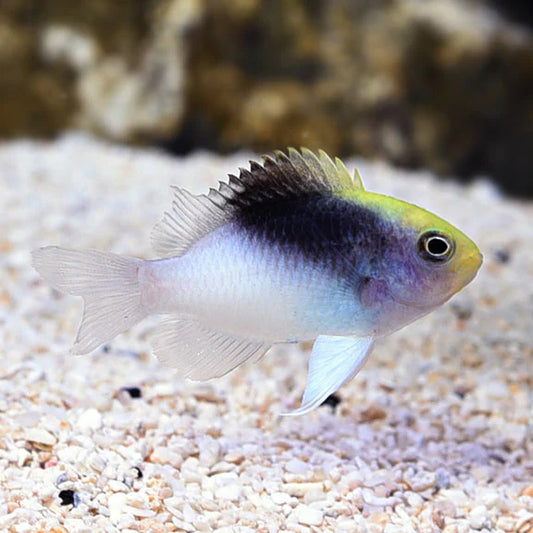
    The Rolland’s Damselfish (Chrysiptera rollandi) is a hardy and attractive marine fish known for its deep blue body and contrasting yellow accents. It is a popular choice for reef aquariums due to its resilience and ability to adapt to a variety of conditions. Native to the Indo-Pacific region, this damselfish is commonly found around coral reefs and rocky outcrops, where it actively defends its territory. Behavior & Diet: Omnivorous species Feeds on flakes, pellets, and frozen foods May graze on algae and small organisms Highly territorial and active Care Requirements: Minimum tank size: 100 liters (larger recommended) Provide live rock for shelter and territory Stable marine water conditions Best kept singly or in carefully managed groups in large tanks Reef Compatibility: Reef safe with caution Generally safe with corals Can be aggressive toward smaller or passive fish Tips: Introduce last to reduce territorial aggression Provide plenty of rockwork to break line of sight Avoid overcrowding to minimize conflict Best suited for semi-aggressive community tanks

    Sold Out

    6.000 JD

  • New Redfin Wrasse

    - Redfin Wrasse

    Sold Out

    The Redfin Wrasse, also known as the Moon Wrasse (Thalassoma lunare), is a bold, active, and highly colorful marine fish that brings constant movement and personality to large reef aquariums. It is recognized for its vibrant green-blue body, striking markings, and distinctive red accents on the fins. Native to the Indo-Pacific region, this wrasse is commonly found in coral reefs and lagoon environments where it actively hunts and explores throughout the day. Key Features: Bright, vibrant coloration with red fin accents Extremely active and strong swimmer Hardy and adaptable marine species Adds movement and personality to large reef tanks Feeding: Carnivorous predator Feeds on crustaceans, worms, and small invertebrates Accepts frozen foods, shrimp, and marine pellets Requires a varied, protein-rich diet Care Requirements: Minimum tank size: 300L+ (recommended larger) Needs plenty of swimming space Secure lid required (strong jumper) Live rock for hiding and hunting Best in mature marine systems Compatibility: Reef safe with caution May eat small invertebrates (shrimp, worms, snails) Can be aggressive toward smaller or passive fish Best suited for semi-aggressive or large reef setups Pro Tips: Add as one of the last fish in the tank Avoid keeping with ornamental shrimp or small clean-up crews Provide a well-structured tank with caves and open swimming space Feed frequently to reduce aggression Ideal For: Experienced marine aquarists Large reef or fish-only systems Tanks needing a bold centerpiece fish

    Sold Out

    25.000 JD

  • New Wyoming White Clownfish - Captive-Bred

    - Wyoming White Clownfish - Captive-Bred

    Sold Out

    The Wyoming White Clownfish, is a striking color variety of Ocellaris Clownfish demonstrating a high degree of marble white coloration. Generation of successfully breeding Gladiator Clownfish resulted in this remarkable color variety. Though similar in appearance to the snowy white Platinum Clownfish, the Wyoming White Clownfish features deeper orange coloration and typically lacks pigmentation in the dorsal fin. For aquarists into piscine morphology, you will notice the Wyoming White Clownfish possess 11 dorsal spines, one more than the Platinum Clownfish. The Ocellaris Clownfish has unique advantages over wild-harvested species. For one, the Captive-Bred Ocellaris Clownfish is very hardy and more accustomed to conditions found in home aquariums. Therefore, it makes a great choice for novices and seasoned aquarists alike. The Captive-Bred Wyoming White Clownfish can also be kept with a variety of other captive-bred clownfish, if introduced into the aquarium at the same time. The Captive-Bred Wyoming White Clownfish is also easy to breed in the home aquarium. The females will be the largest of the pair and the two fish will usually stay close to each other in the aquarium. The Captive-Bred Wyoming Clownfish is an egg layer and will deposit the eggs on a flat surface and defend the eggs from other tankmates. The eggs will normally hatch in 6-11 days depending on the water temperature. The fry must be reared in a separate aquarium on a diet of rotifers followed by baby brine shrimp. This Clownfish is an aggressive eater. It will accept most meaty foods and frozen herbivore preparations.

    Sold Out

    45.000 JD

  • New Gold Nugget Maroon Clownfish - Captive-Bred

    - Gold Nugget Maroon Clownfish - Captive-Bred

    Sold Out

    The Captive-Bred Gold Nugget Maroon Clownfish is a distinct clownfish variety. Its unique appearance is the result of a genetic mutation that manifests in a similar way to the mutation that produces the Platinum Percula. However, this Premnas designer goes through a transition as it matures, where its body changes from white to a shimmering gold. The Gold Nugget's fins are a dark maroon color, edged in fluorescent orange trim. Their eyes are dark and fierce-looking against the gold body. Some individuals exhibit an icy blue iridescence on the edges of their body. Appearances aside, these fish are entirely a Gold Stripe Maroon in every other regard, so care must be taken when pairing, choosing tankmates, or choosing tank size. Captive-bred clownfish are very hardy and durable fish making them a perfect addition for the novice or seasoned aquarist. The Maroon Clownfish is a good candidate for a reef aquarium. The Maroon Clownfish are the most territorial of all clownfish species. Maroon Clownfish are very sensitive to elevated levels of copper, and should never be exposed to levels near or above .15. Captive-bred clownfish are easy to breed in the home aquarium. The females will be the largest of the pair, and two fish will usually stay close to each other in the aquarium. These fish are egg layers and will deposit the eggs on a flat surface, and defend the eggs from other tank mates. The eggs will normally hatch in 8-11 days depending on the temperature. The fry must be reared in a separate aquarium on a diet of rotifers then baby brine shrimp. The Gold Nugget Maroon Clownfish diet consists of almost any meaty food items and herbivore preparations. Do not move the Maroon Clownfish with a net as its cheek spines will become entangled. Use a specimen container if capture is necessary.

    Sold Out

    45.000 JD

  • New Platinum Clownfish - Captive-Bred

    - Platinum Clownfish - Captive-Bred

    In Stock

    You've never seen a captive-bred clownfish like this before! The Platinum Percula is a magnificent white variation of the Percula Clownfish. developed the Platinum Percula through years of selectively breeding their famous Picasso Clownfish. These striking fish do not exhibit any of the original striping characteristic of the species. Instead, they are typically continuously white from head to tail. As Platinums mature, they will develop beautiful black fins that really stand out against the white body and orange face.  Amphiprion percula is the essence of beauty. However, it is the famous symbiotic relationship the Percula Clownfish has with various anemones that truly captures the imagination of most aquarists. In the wild, Percula Clownfish are commonly associated with anemones such as Heteractis magnifica or Stichodactyla mertensii. Native to reefs across Oceania, the Indo-Pacific, and off the coast of Australia, the Percula Clownfish is also known as the Clown Anemonefish. In the wild, this member of the Pomacentridae family grows to about 4-1/2 inches; however, captive specimens rarely exceed 3 inches in length. In the home aquarium, the Percula Clownfish requires an aquarium of at least 20 gallons with a fair amount of live rock. The Captive-Bred Platinum Clownfish is easy to breed in the home aquarium. The females will be the largest of the pair and the two fish will usually stay close to each other in the aquarium. Clownfish are egg layers and will deposit the eggs on a flat surface and defend the eggs from other tank mates. The eggs will normally hatch in 8-11 days depending on the water temperature. The fry must be reared in a separate aquarium on a diet of rotifers followed by baby brine shrimp. The Platinum Clownfish diet consists of almost any meaty food items and herbivore preparations.

    In Stock

    45.000 JD

  • New Porkfish

    - Porkfish

    Sold Out

    The Porkfish (Anisotremus virginicus) is a hardy and visually striking marine fish known for its bold yellow and silver striped body and peaceful yet active behavior. Juveniles are especially popular in the aquarium hobby due to their unique appearance and adaptability. Native to the Western Atlantic and Caribbean reefs, the Porkfish is commonly found around coral reefs, rocky areas, and mangroves, where it forages for food in groups. Key Features: Distinctive yellow and silver striped pattern Hardy and beginner-friendly marine fish Active swimmer with peaceful temperament Great for adding movement to reef or fish-only tanks Feeding: Omnivorous species Feeds on crustaceans, worms, plankton, and detritus Accepts flakes, pellets, and frozen foods Becomes easy to feed once acclimated Care Requirements: Minimum tank size: 200L+ Stable marine aquarium conditions Plenty of live rock for grazing and shelter Best in established systems Compatibility: Not Reef safe Generally safe with corals May eat small invertebrates (shrimp, worms) Best with similarly sized, non-aggressive fish Pro Tips: Keep in small groups if tank size allows Provide a varied diet to maintain health and color Avoid housing with very small ornamental invertebrates Introduce early in community setups for better stability

    Sold Out

    7.000 JD

  • New Picasso Percula Clownfish - Captive-Bred

    - Picasso Percula Clownfish - Captive-Bred

    Sold Out

    The Captive-Bred Picasso Percula Clownfish is an interesting and desirable variation of the Percula Clownfish. This fish is orange with irregularly shaped white patches outlined in black. This member of the Pomacentridae family is an excellent addition to almost any saltwater aquarium system. captive-bred-fish have a unique advantage over wild-harvested species, as they are generally very hardy and more accustomed to conditions found in the home aquarium. Therefore, captive-bred-fishes make a great choice for novices and seasoned aquarists alike. The Captive-Bred Picasso Percula Clownfish is easy to breed in the home aquarium. The females will be the largest of the pair and the two fish will usually stay close to each other in the aquarium. Clownfish are egg layers and will deposit the eggs on a flat surface and defend the eggs from other tank mates. The eggs will normally hatch in 8-11 days depending on the water temperature. The fry must be reared in a separate aquarium on a diet of rotifers followed by baby brine shrimp. This Clownfish is an aggressive eater. It will accept most meaty foods and frozen herbivore preparations.

    Sold Out

    55.000 JD

  • New Pajama Cardinalfish

    - Pajama Cardinalfish

    Sold Out

    The Pajama Cardinalfish (Sphaeramia nematoptera) is a peaceful and visually unique marine fish, easily recognized by its yellow-green head, silver body, and distinctive polka-dot pattern on the rear half of its body. Its calm nature and hardiness make it an excellent choice for beginner reef aquarists. Native to the Western Pacific, this species is typically found in sheltered lagoons and coral reef areas where it often swims in small groups. Key Features: Unique spotted body pattern (“pajama” appearance) Peaceful and beginner-friendly marine fish Hardy and adaptable to aquarium life Best kept in groups for natural behavior Feeding: Carnivorous species Feeds on zooplankton, brine shrimp, mysis shrimp, and frozen foods Accepts flakes and pellets once acclimated Prefers small, frequent feedings Care Requirements: Minimum tank size: 100L+ Stable reef aquarium conditions Provide caves, rockwork, and shaded areas Best kept in pairs or small groups Compatibility: Fully reef safe Safe with corals and invertebrates Very peaceful and non-aggressive Pro Tips: Keep in groups to reduce shyness Feed in the evening for best response (slightly nocturnal behavior) Provide dim areas for resting and security Avoid aggressive tank mates

    Sold Out

    7.000 JD

  • New Orange Spotted Goby

    - Orange Spotted Goby

    Sold Out

    The Orange Spotted Goby, also known as the Spotted Prawn Goby or Orange Spotted Shrimp Goby, was first discovered in the Western Pacific in 1938. Its body is white with orange spots outlined in brown. It has the ability to form symbiotic partnerships with nearly blind alpheid shrimp. It provides a watchful eye while the shrimp digs a burrow for them to share. It is best suited for aquariums that are 10 gallons or larger which have adequate hiding places along with ample swimming space. The aquarium should have a tight-fitting lid to prevent it from jumping out. The Orange Spotted Goby adapts well to reef aquariums, although it does pose a possible threat to small, delicate ornamental shrimp. It prefers a bed of fine sand and loose coral rubble to sift through. It is possible for the Orange Spotted Goby to spawn successfully in an aquarium. Its diet should consist of a variety of fresh or frozen mysis shrimp, vitamin-enriched brine shrimp, and table shrimp. It should be fed at least twice per day.

    Sold Out

    10.000 JD

  • New Orange Butterflyfish

    - Orange Butterflyfish

    Sold Out

    The Orange Butterflyfish (Chaetodon kleinii), also known as Klein’s Butterflyfish, is a hardy and attractive marine fish featuring a warm orange to yellow body with subtle vertical markings. It is one of the more adaptable butterflyfish species, making it a popular choice for experienced reef aquarists. Native to the Indo-Pacific region, this fish is commonly found around coral reefs, lagoons, and rocky areas where it actively forages for food. Key Features: Attractive orange-yellow coloration One of the hardier butterflyfish species Active and elegant swimmer Suitable for experienced marine aquarists Feeding: Omnivorous with strong preference for meaty foods Feeds on sponges, algae, worms, and plankton in the wild Accepts frozen foods, mysis shrimp, brine shrimp, and marine pellets Requires varied diet for long-term health Care Requirements: Minimum tank size: 250L+ Stable, mature marine aquarium Plenty of live rock for grazing and shelter Sensitive to sudden water parameter changes Compatibility: Not Reef safe May nip at soft corals, LPS, and sessile invertebrates Better suited for fish-only or carefully selected reef systems Peaceful but can be opportunistic feeder Pro Tips: Best kept in well-established tanks only Feed multiple times daily for best health Avoid housing with delicate corals or small invertebrates Provide plenty of natural grazing surfaces

    Sold Out

    25.000 JD

  • New Multicolor Lubbock's Fairy Wrasse

    - Multicolor Lubbock's Fairy Wrasse

    Sold Out

    The Multicolor Lubbock’s Fairy Wrasse (Cirrhilabrus lubbocki) is a stunning and highly sought-after marine fish known for its vibrant mix of colors that can include shades of pink, orange, purple, and blue. Males are especially striking and often display enhanced coloration during courtship or social interactions. Native to the Indo-Pacific region, this wrasse is commonly found in coral reef slopes and lagoon environments where it actively swims in the water column. Key Features: Brilliant multicolor body with shifting hues Peaceful and active swimmer Hardy for a fairy wrasse species Excellent addition to colorful reef tanks Feeding: Carnivorous species Feeds on zooplankton, mysis shrimp, brine shrimp, and frozen foods Accepts high-quality marine pellets Requires frequent small feedings Care Requirements: Minimum tank size: 150L+ Secure lid required (excellent jumper) Plenty of swimming space and live rock Best in peaceful, well-established reef aquariums Compatibility: Fully reef safe Safe with corals and invertebrates Peaceful toward most tank mates May be shy initially until acclimated Pro Tips: Keep in a calm community reef tank Feed multiple times daily for best coloration Can be kept in groups in larger systems (one male per group) Provide rock structures for resting and security

    Sold Out

    25.000 JD

  • New McCosker's Flasher Wrasse

    - McCosker's Flasher Wrasse

    Sold Out

    The McCosker’s Flasher Wrasse (Paracheilinus mccoskeri) is one of the most visually impressive reef fish, famous for the male’s dramatic “flashing” displays where it rapidly shows off its bright red, orange, and blue coloration. This behavior is used for courtship and social interaction, making it a fascinating fish to observe. Native to the Indo-Pacific region, this wrasse is commonly found in reef slopes and lagoon environments, where it actively swims in the water column. Key Features: Stunning flashing color displays in males Peaceful and highly active swimmer One of the most popular flasher wrasses in the hobby Adds constant movement and color to reef tanks Feeding: Carnivorous species Feeds on zooplankton, mysis shrimp, brine shrimp, and frozen foods Accepts high-quality marine pellets Requires frequent small feedings Care Requirements: Minimum tank size: 120–150L+ Secure lid required (strong jumper) Open swimming space with live rock for shelter Best in peaceful, mature reef aquariums Compatibility: Fully reef safe Safe with corals and invertebrates Peaceful toward most tank mates May be shy at first until fully acclimated Pro Tips: Keep in calm community reef setups Feed small portions multiple times daily Can be kept in harems (1 male + females) in larger tanks Provide shaded resting areas among rockwork

    Sold Out

    20.000 JD


You have seen 24 out of 48 products

Marine fish for beginners are species that are hardy, easy to care for, and well-suited to new saltwater aquariums. These fish are more tolerant of minor fluctuations in water conditions, making them ideal for hobbyists starting their reef aquarium journey.

At Reefamorous, we offer a selection of beginner-friendly marine fish that are known for their resilience, peaceful nature, and adaptability to aquarium life. These fish are perfect for building confidence while learning the basics of marine aquarium care.

Popular beginner marine fish include clownfish, damselfish, firefish, gobies, and blennies. These species are generally easy to feed, adapt quickly to prepared foods, and are less aggressive compared to more advanced species.

Beginner fish provide several advantages, including ease of care, higher survival rates, and compatibility with a wide range of tank setups. They are also a great choice for establishing a stable biological system in a new aquarium.

When choosing marine fish for beginners, consider tank size, compatibility between species, and avoid overstocking. Starting with a small number of fish allows the aquarium to stabilize and reduces stress on the system.

Basic care requirements include maintaining stable salinity between 1.023 and 1.026, monitoring water parameters regularly, providing a balanced diet, and performing routine water changes.

Login

Forgot your password?

Don't have an account yet?
Create account