Spiny Star Astraea

Description

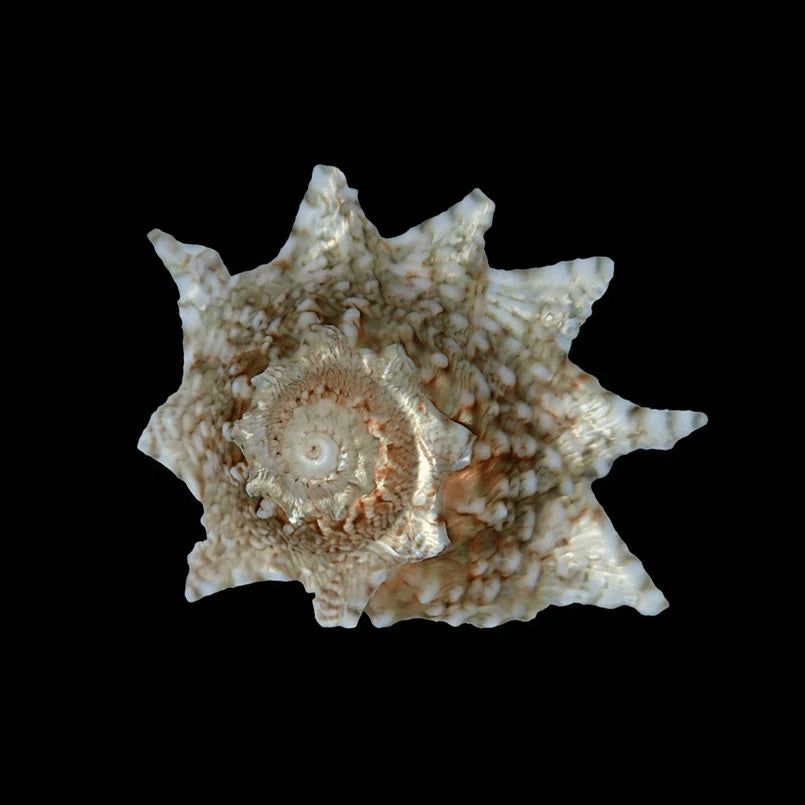
The Spiny Star Astraea Snail has a unique shell and a ravenous appetite for algae. Unlike many bottom dwellers that are dressed in drab colors to better camouflage themselves against the sand bottoms, Astraea phoebia boasts a pyramid-shape shell with beautiful, green, yellow, and tan coloration. The Spiny Star Astraea boasts pronounced projections on their shells creating a sculptured spiral star shape that is sure to dazzle the eye.

Though interesting to observe in your home aquarium, the Spiny Star Astraea Snail serves a greater function of cleaning algae-covered live rock. It is very adept at keeping your aquarium clean. In fact, this small herbivore prefers to feed on nuisance hair algae, as well as cyanobacteria and diatoms. Some aquarists also report that the Spiny Star Astraea Snail actually consumes the entire hair algae structure, which helps prevent immediate further algae growth.

The Spiny Star Astraea prefers established aquariums with ample hiding places and sufficient room to roam. In addition to eating algae off of your live rock, this member of the Astraeinae family will also clean your aquarium glass. However, the Spiny Star Astraea Snail is not known to be a climber like other smaller-shelled snail species. Care needs to be taken to observe the daily activities of this hungry snail since it has difficulty righting itself if it falls or is knocked upside down.

Like other invertebrates, the Spiny Star Astraea Snail is sensitive to high nitrate levels and will not tolerate copper-based medications. The Spiny Star Astraea Snail requires a gradual acclimation period, preferably the drip acclimation method (often over two hours), since it cannot tolerate even minute changes in water parameters. If sufficient food levels are not present, supplement the diet with blanched spinach or lettuce and vegetable-based tablet foods.
Product form

SKU: I-SNL-003

Astraea phoebia

The Spiny Star Astraea Snail has a unique shell and a ravenous appetite for algae. Unlike many bottom dwellers that... Read more

Free pickup in our shop(s)

In Stock

3.000 JD

    • Care Level: Easy
    • Reef Compatible: Reef Safe
    • Temper: Peaceful
    • Minimum Tank Size:

      This item cant be shipped internationally

    Livestock, including fish, corals, and other aquatic species, cannot be shipped internationally due to shipping and regulatory restrictions.
    Read more

    Description

    The Spiny Star Astraea Snail has a unique shell and a ravenous appetite for algae. Unlike many bottom dwellers that are dressed in drab colors to better camouflage themselves against the sand bottoms, Astraea phoebia boasts a pyramid-shape shell with beautiful, green, yellow, and tan coloration. The Spiny Star Astraea boasts pronounced projections on their shells creating a sculptured spiral star shape that is sure to dazzle the eye.

    Though interesting to observe in your home aquarium, the Spiny Star Astraea Snail serves a greater function of cleaning algae-covered live rock. It is very adept at keeping your aquarium clean. In fact, this small herbivore prefers to feed on nuisance hair algae, as well as cyanobacteria and diatoms. Some aquarists also report that the Spiny Star Astraea Snail actually consumes the entire hair algae structure, which helps prevent immediate further algae growth.

    The Spiny Star Astraea prefers established aquariums with ample hiding places and sufficient room to roam. In addition to eating algae off of your live rock, this member of the Astraeinae family will also clean your aquarium glass. However, the Spiny Star Astraea Snail is not known to be a climber like other smaller-shelled snail species. Care needs to be taken to observe the daily activities of this hungry snail since it has difficulty righting itself if it falls or is knocked upside down.

    Like other invertebrates, the Spiny Star Astraea Snail is sensitive to high nitrate levels and will not tolerate copper-based medications. The Spiny Star Astraea Snail requires a gradual acclimation period, preferably the drip acclimation method (often over two hours), since it cannot tolerate even minute changes in water parameters. If sufficient food levels are not present, supplement the diet with blanched spinach or lettuce and vegetable-based tablet foods.

    Important Note
    Proper acclimation is extremely important considering the stress imposed on the animals by the shipping process. Please take a moment to review our Acclimation Guide.


    Recently viewed products

      Login

      Forgot your password?

      Don't have an account yet?
      Create account